Is Your Home Overflowing? Smart Storage Tips for Indiana and West Virginia Residents
At some point, nearly every household reaches a stage where closets become overcrowded, garages lose functionality, and spare rooms slowly transform into catch-all spaces for items that no longer fit anywhere else. In both Indiana and West Virginia, changing seasons, active outdoor lifestyles, growing families, and home improvement projects often contribute to a constant struggle for extra space. As a result, many homeowners begin looking for practical ways to protect their belongings while also restoring organization inside the home. Fortunately, effective storage is not simply about stacking boxes or finding an empty corner in the basement. Instead, smart storage solutions focus on accessibility, protection, and long-term organization. The right storage habits can significantly reduce stress in daily life.
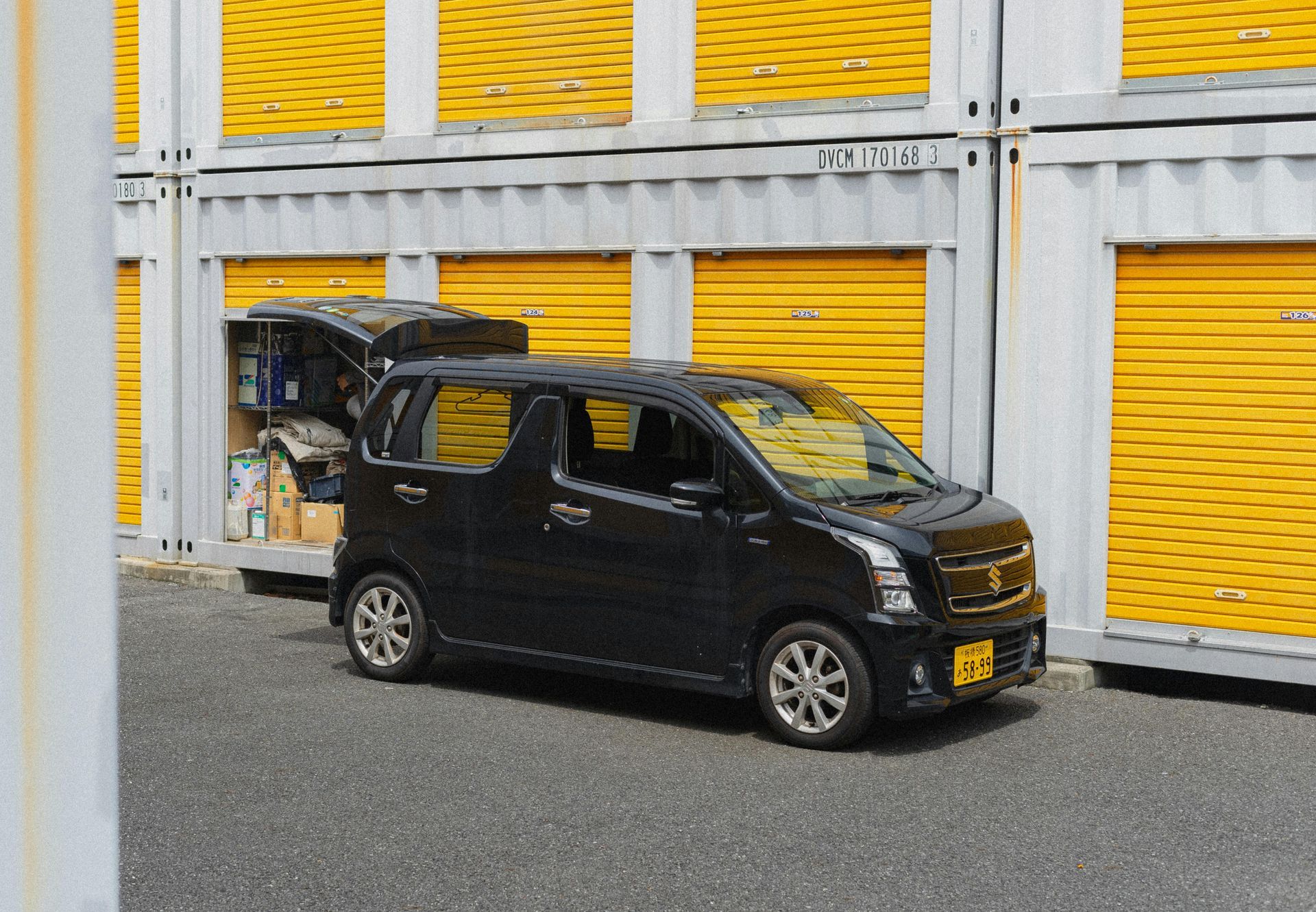
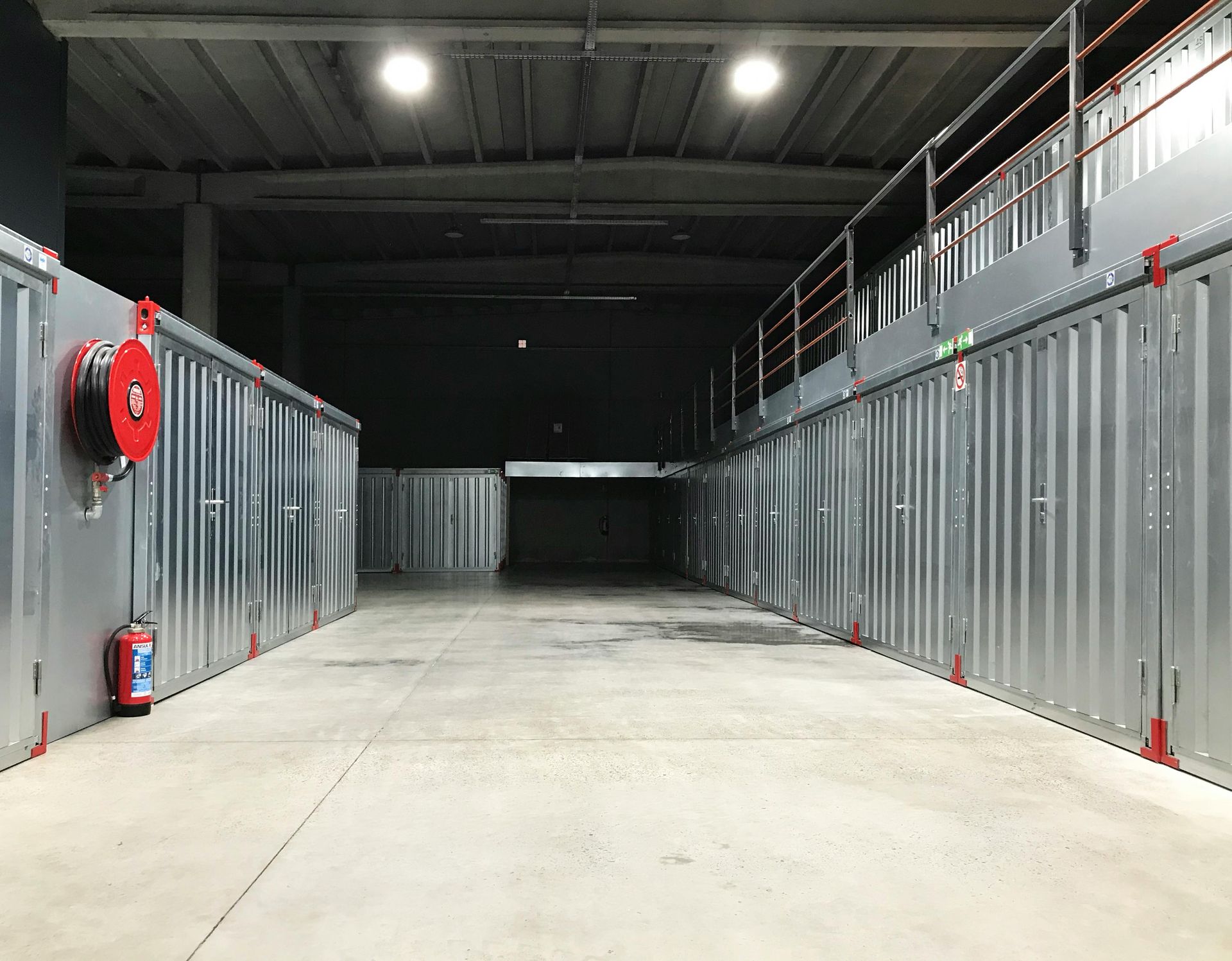
Residents interested in organized storage throughout northern Indiana can explore nearby storage options in Angola, especially as seasonal recreation and lake activities often require additional room for outdoor gear, furniture, and equipment. Meanwhile, homeowners and businesses searching for convenient storage options on Big Tyler Road may benefit from flexible space for household belongings, business inventory, and long-term organization projects.
For residents needing accessible storage options on Mini Storage Drive, organized storage can help simplify home renovations, seasonal transitions, and garage decluttering efforts throughout the year. In Huntington, families and renters exploring storage options on Huntington 3rd Avenue often look for practical ways to protect furniture, recreational gear, and family keepsakes while freeing up valuable living space.
Additionally, residents searching for storage options on Huntington 8th Avenue may appreciate extra flexibility when managing apartment moves, business supplies, or seasonal storage needs. Across Indiana, residents spend much of the year enjoying lakes, hiking trails, and local parks that encourage boating, fishing, camping, and other outdoor recreation. Meanwhile, West Virginia continues attracting outdoor enthusiasts who enjoy mountain scenery, river adventures, and scenic road trips throughout the Appalachian region. Naturally, these activities often come with large amounts of equipment that require thoughtful storage once the season changes.
Without a reliable storage strategy, garages quickly become difficult to navigate, and spare closets fill faster than expected. Over time, disorganization can lead to damaged belongings, misplaced valuables, and unnecessary frustration during seasonal transitions. However, with a few intentional habits and a more structured approach, homeowners can create storage systems that are both functional and easy to maintain.
Key Points for Readers Short on Time
- Indiana and West Virginia weather patterns make moisture protection essential for long-term storage.
- Organized storage systems help preserve furniture, keepsakes, clothing, and recreational gear.
- Seasonal rotation methods reduce clutter and improve accessibility throughout the year.
- Small adjustments such as labeling, shelving, and airflow protection can prevent costly damage.
- Local storage facilities provide additional flexibility for households, renters, students, and businesses.
Why Organized Storage Has Become More Important Than Ever
Over the past several years, many households have accumulated more belongings than they realize. Home offices, recreational hobbies, seasonal décor, sports equipment, and family keepsakes all compete for limited space inside closets, basements, garages, and spare rooms. Consequently, clutter often develops gradually until homeowners suddenly find themselves overwhelmed by the lack of organization.
At the same time, proper storage affects much more than appearance alone. When items are stored incorrectly, they may become damaged by moisture, temperature fluctuations, pests, or accidental breakage. Indiana winters can bring freezing conditions and heavy snow, while West Virginia often experiences humid summers and sudden weather changes. Because of this, belongings stored carelessly in basements, attics, or garages may deteriorate far faster than expected.
Additionally, disorganized storage frequently creates unnecessary stress during already busy times of the year. Families searching for holiday decorations, winter coats, camping equipment, or school supplies often waste valuable time digging through poorly labeled boxes and overcrowded shelves. In contrast, a well-organized storage system simplifies seasonal transitions while helping homeowners maintain a calmer and more functional living environment. Outdoor recreation also plays a major role in both Indiana and West Virginia lifestyles. According to the National Park Service, West Virginia remains one of the country’s most popular destinations for hiking, fishing, rafting, and scenic mountain exploration. Naturally, these activities require gear that benefits from proper offseason storage.
Begin with a Full Home Inventory Before Organizing Anything
Before purchasing containers or moving items into storage, one of the smartest first steps involves creating a detailed home inventory. Although this may sound time-consuming initially, it often saves both space and money later. Many homeowners discover forgotten duplicates, unused furniture, or unnecessary clutter once they begin reviewing everything they own.
Furthermore, an inventory helps establish priorities. Some belongings require frequent access throughout the year, while others can safely remain stored for months at a time. By understanding exactly what needs to stay accessible, homeowners can organize storage spaces more efficiently and avoid overcrowding.
A simple inventory system may include:
- Seasonal decorations
- Outdoor recreation equipment
- Family heirlooms and keepsakes
- Furniture and home décor
- Business inventory and supplies
- Garage tools and workshop materials
- College dorm belongings
- Important paperwork and photographs
Digital tools also make the process easier than ever. Many homeowners now use smartphone photo albums or spreadsheets to document valuable belongings before placing them into storage. Not only does this simplify organization later, but it may also help with insurance documentation if damage or theft ever occurs.
Moisture Protection Should Always Be a Priority
One of the biggest storage challenges throughout Indiana and West Virginia involves humidity and fluctuating temperatures. Even homes with finished basements and insulated garages can experience moisture buildup throughout the year. Unfortunately, many belongings become permanently damaged long before homeowners notice the problem. For that reason, moisture protection should remain a top priority when organizing any storage area. Plastic totes with durable lids typically provide stronger protection than standard cardboard boxes, especially for clothing, books, holiday decorations, and important paperwork. However, some delicate items, such as antique wood furniture or vintage fabrics, actually benefit from breathable coverings rather than tightly sealed plastic.
In addition, belongings should never sit directly on concrete floors for extended periods of time. Concrete can absorb and release moisture unexpectedly, particularly during seasonal temperature shifts. Wooden pallets, shelving systems, or elevated platforms improve airflow while reducing exposure to damp surfaces. Homeowners may also benefit from using moisture absorbers, silica packets, or small dehumidifiers in enclosed storage areas. These simple additions often help preserve belongings far more effectively over time. The Indiana Department of Homeland Security regularly shares preparedness information related to severe weather and seasonal conditions throughout the state.Understanding local climate patterns can help homeowners make smarter long-term storage decisions.
Seasonal Clothing Storage Can Free Up Valuable Space
Closets often become overcrowded because households attempt to store every season’s wardrobe in one place year-round. Heavy winter coats, boots, scarves, sweaters, and holiday clothing consume a surprising amount of space during warmer months. Similarly, bulky summer gear may become difficult to manage once colder weather arrives. As a result, rotating clothing seasonally remains one of the easiest ways to improve household organization. However, before placing clothing into storage, every item should be washed or professionally cleaned. Even invisible stains or leftover body oils can attract pests and cause permanent discoloration over time.
Vacuum sealed storage bags work well for reducing bulk, especially in smaller apartments or homes with limited closet space. Nevertheless, delicate fabrics such as wool or vintage garments may store better inside breathable garment containers. To improve organization further, labels should remain detailed and specific. Instead of writing something generic, such as “winter clothes,” labels like “kids' snow gear” or “holiday sweaters” make retrieval much easier several months later. Moreover, cedar blocks and lavender sachets can help discourage pests naturally without exposing fabrics to strong chemical odors. Small details like these often extend the lifespan of stored clothing significantly.
Recreational Equipment Requires More Attention Than Most People Expect
Indiana and West Virginia residents often spend weekends exploring lakes, campgrounds, hiking trails, parks, and scenic outdoor destinations. Consequently, many households own fishing gear, kayaks, camping supplies, bicycles, hiking equipment, and sports accessories that quickly consume garage space. Unfortunately, recreational equipment is frequently stored carelessly after long trips or busy weekends. Damp tents, muddy hiking boots, and dirty fishing supplies may seem harmless temporarily, yet moisture and debris can cause mold, rust, and deterioration surprisingly quickly.
For this reason, all recreational gear should be cleaned thoroughly before storage. Camping equipment should dry completely before being folded away, while fishing reels benefit from proper lubrication and moisture removal. Bikes should remain inflated and stored evenly to prevent unnecessary tire strain. At the same time, vertical storage systems can dramatically improve organization inside garages and storage units. Wall-mounted racks, ceiling hooks, and shelving systems maximize floor space while also protecting equipment from accidental damage. West Virginia’s New River Gorge National Park and Preserve continues drawing visitors who enjoy rafting, hiking, climbing, and scenic outdoor recreation. Families participating in these activities often benefit from dedicated storage systems that keep equipment organized between adventures.
Avoid the Most Common Packing Mistakes
Even homeowners with good intentions sometimes create storage problems through rushed packing habits. Although throwing belongings into random boxes may feel convenient initially, disorganized packing usually creates frustration later. One of the most common mistakes involves overfilling boxes. Heavy containers become difficult to move safely and may collapse under pressure if stacked improperly. Likewise, combining unrelated items inside the same container often makes retrieval far more time-consuming.
Another issue involves using a newspaper directly against fragile belongings. Newspaper ink can transfer onto dishes, collectibles, and decorative surfaces, leaving permanent marks behind. Instead, packing paper, soft towels, or bubble wrap generally provides safer protection. Storage spaces should also maintain clear walkways whenever possible. Overcrowded aisles not only create safety concerns, but they also make routine access frustrating. Simple pathways improve visibility and help homeowners retrieve items without disturbing entire stacks of containers.
Additional mistakes worth avoiding include:
- Leaving batteries inside electronics
- Storing appliances without cleaning them first
- Using weak tape on heavy containers
- Stacking fragile boxes underneath heavy items
- Forgetting to label multiple sides of storage bins
Although these details may seem minor initially, they often make a substantial difference over the course of several months or years.
Furniture Storage Requires Proper Preparation
Furniture storage often becomes necessary during home renovations, downsizing projects, family transitions, or moves between properties. However, furniture represents both a financial investment and, in many cases, sentimental value. Therefore, proper preparation is essential before placing larger pieces into storage. Wood furniture should always be cleaned gently before storage and covered with breathable materials that allow airflow. Plastic wrapping placed directly against wood can trap moisture and eventually contribute to warping or discoloration. Likewise, detachable components such as table legs or shelving inserts should be removed carefully whenever possible. Mattresses also require special attention. Because mattresses can trap moisture easily, protective covers help prevent dust accumulation and mildew development during storage. Whenever possible, mattresses should remain flat instead of standing upright for long periods.
Additionally, homeowners should avoid pushing furniture tightly against walls where condensation may collect. Small airflow gaps can significantly reduce moisture-related damage over time. For many Indiana and West Virginia families, furniture storage provides breathing room during home transitions without requiring them to part with valuable or meaningful pieces.
Seasonal Rotation Systems Make Homes Feel Less Cluttered
Many storage frustrations develop because homeowners cannot easily access the items they need most frequently. As seasons change throughout Indiana and West Virginia, households often rotate between holiday decorations, winter gear, gardening supplies, sports equipment, and outdoor furniture. Without a seasonal organization system, these transitions quickly become frustrating. Boxes pile up in random locations, frequently used items become buried, and garages lose functionality. Fortunately, a seasonal rotation system can solve many of these issues. Frequently used items should remain near the front of storage spaces, while offseason belongings can move toward higher shelves or less accessible areas.
Family Keepsakes and Important Documents Need Extra Care
Some belongings carry emotional significance that simply cannot be replaced. Family photographs, handwritten letters, legal documents, heirlooms, and childhood keepsakes deserve more attention than ordinary household storage. Unfortunately, paper products and delicate materials remain especially vulnerable to moisture, sunlight, pests, and extreme temperatures. As a result, these items should ideally remain inside climate-stable environments whenever possible.
Archival-quality storage containers and acid-free sleeves often provide far better long-term protection than ordinary cardboard boxes. In addition, important documents should stay elevated off floors and away from direct sunlight. Many families throughout Indiana and West Virginia also preserve generations of local history through photographs and heirlooms connected to farming, military service, mining communities, and regional traditions. Proper storage helps ensure these personal stories remain protected for future generations. Digitizing photographs and paperwork can provide an additional layer of security as well. Although original copies still matter, digital backups may help preserve valuable memories if accidents ever occur.
Apartment Living and College Storage Challenges Continue Growing
Smaller apartments and student housing often create unique storage challenges. Throughout Indiana and West Virginia, college students, young professionals, and renters frequently move between dorms, apartments, and shared living spaces with limited storage capacity. Consequently, efficient organization becomes extremely important in compact environments. Under-bed storage bins, stackable containers, and vertical shelving systems help maximize available square footage without making rooms feel overcrowded.
Likewise, multi-purpose furniture can reduce clutter while improving functionality. Storage ottomans, lift-top coffee tables, and bed frames with built-in drawers create additional organization opportunities inside smaller living spaces. Students especially benefit from temporary storage during summer breaks or housing transitions. Textbooks, electronics, furniture, and dorm supplies often need safe storage between semesters. Rather than forcing every item into already crowded apartments, intentional organization helps create cleaner and more comfortable living environments.
Businesses Also Benefit from Smarter Storage Solutions
Storage challenges extend far beyond residential homes. Many businesses throughout Indiana and West Virginia struggle with excess inventory, archived paperwork, promotional materials, tools, and seasonal equipment that gradually overwhelm office or retail space. Organized business storage improves efficiency while reducing workplace clutter. Employees spend less time searching for misplaced supplies when inventory systems remain clearly labeled and categorized.
Retailers, contractors, event planners, and service providers often experience seasonal inventory changes that require flexible storage solutions. Instead of overcrowding offices or storefronts, businesses can maintain cleaner workspaces by organizing extra inventory separately. Furthermore, organized storage systems may help businesses preserve important records while improving accessibility whenever archived documents are needed.
Long Term Storage Requires Ongoing Maintenance
One of the biggest misconceptions about storage involves the idea that belongings can simply remain untouched for years without any maintenance. In reality, periodic inspections play a critical role in preventing long-term damage. Checking storage areas several times each year allows homeowners to identify moisture problems, shifting boxes, pest activity, or accidental damage before conditions worsen. This becomes especially important during seasonal weather changes throughout Indiana and West Virginia. Routine inspections also create opportunities to reorganize spaces, remove unnecessary clutter, and update inventory records. Many families discover forgotten belongings they no longer need after revisiting storage spaces periodically.
Building Better Storage Habits Creates Long-Term Benefits
Ultimately, the best storage systems develop gradually through consistent habits and thoughtful organization. Rather than waiting until clutter becomes overwhelming, homeowners benefit most from making small improvements throughout the year. Seasonal cleanouts, labeled storage zones, regular donation routines, and organized shelving systems all contribute to a home that feels calmer and easier to manage. Over time, these habits help families maintain better control over belongings while protecting valuable possessions from avoidable damage.
Indiana and West Virginia residents often balance active lifestyles filled with outdoor recreation, family events, seasonal hobbies, and changing household needs. Because of this, practical storage solutions provide more than extra space alone. They also support smoother daily routines and better long-term organization. Homeowners and businesses exploring flexible storage options throughout the region can review nearby Mission Storage Rental facilities for additional organization support and long-term storage flexibility:
I'll guide you to amazing places
Spend half a day exploring Cashew Ridge Park by foot. This trek is an excellent choice if you don’t have time for a full-day or overnight trip. The early morning tour starts early enough to enjoy the sounds of the forest waking up. The afternoon tour finishes at dusk, so you can enjoy the quiet calm of the nighttime forest. Bring your own food and water. As your tour guide, I’ll help you disconnect from your everyday world, so you can immerse yourself in nature and reconnect with yourself.