When Do You Need Personal Storage?
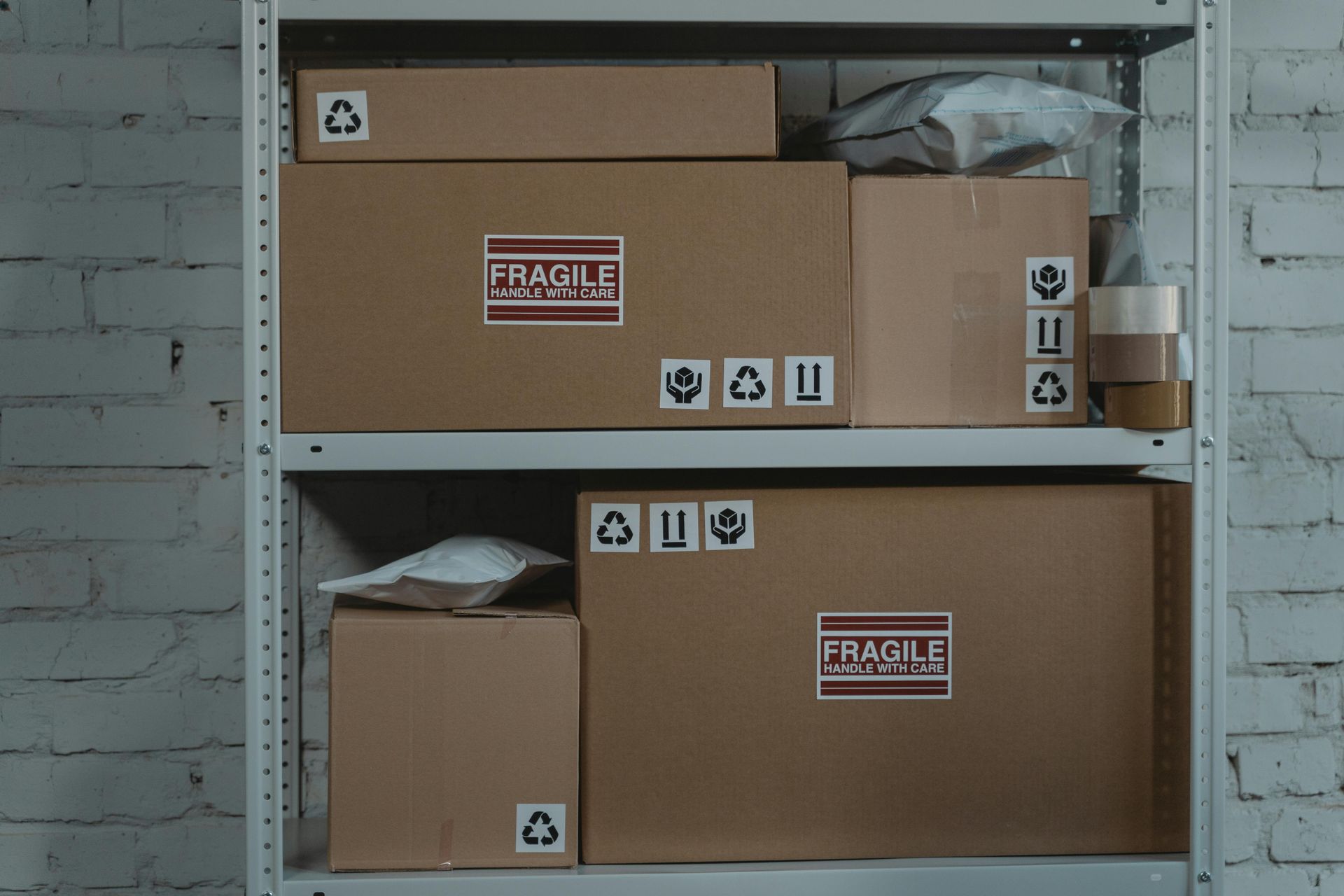
Personal storage gives you a place to keep furniture, seasonal items, keepsakes, and household belongings when you don't have room at home. It's built for residential needs like moving, renovating, downsizing, or simply reclaiming living space without getting rid of things you want to keep.
Most people rent personal storage during transitional periods. Maybe you are moving and need a place for your things before your next home is ready. Maybe you are waiting for a lease to begin or trying to line up closing dates. During a renovation, a storage unit can clear out furniture, boxes, and anything else that would just get in the way. It also makes sense when you are downsizing and do not want to make rushed decisions about what to keep. Students heading home for the summer, military families changing duty stations, and people working through major life shifts often use storage for the same simple reason. It gives them a little extra room and a little more time to sort things out.
Personal storage units come in different types depending on what you're storing and how often you need access. Drive-up units let you pull your vehicle right to the door, which makes moving furniture easier. Climate-controlled units protect valuables and items sensitive to temperature swings from heat, humidity, and cold. Indoor units keep belongings cleaner and add an extra layer of security.
When Does Personal Storage Make Sense?
Are You Moving Between Homes?
Moving rarely follows a neat timeline. If your lease ends before your new place is ready, or you're selling a house but haven't closed on the next one, personal storage bridges the gap. You can move out on schedule without rushing into a temporary rental or cramming everything into a friend's garage. This matters in areas like Angola and the Charleston metro, where timing gaps between buying and selling are common. Keeping your belongings in a storage unit lets you stage your current home for showings while protecting furniture from sitting in a truck or being shuffled between locations.
Do You Need Space During a Renovation?
Renovation projects generate dust, debris, and chaos. Storing furniture and boxes off-site clears rooms so contractors can work without navigating around your couch or risking damage to valuables. Whether you're updating a kitchen, adding a bathroom, or refinishing floors, personal storage keeps belongings safe and out of the way. Once the work is done, you move everything back without the stress of covering furniture with tarps or cramming it all into one room.
Are You Downsizing or Decluttering?
Moving from a house to an apartment or condo often means giving up square footage. Personal storage lets you keep items you're not ready to donate or sell (extra furniture, holiday decorations, hobby equipment, family heirlooms) without crowding your new space. You can take your time deciding what stays and what goes instead of making rushed decisions on moving day. This also works if you're decluttering to create a home office, nursery, or guest room but don't want to get rid of what's currently filling that space.
Are You Going Through a Life Transition?
Life changes come with logistics. College students heading home for summer break can store dorm furniture and belongings instead of hauling everything back and forth. Military families between assignments or waiting for base housing use personal storage to keep household goods secure during the transition. If you're dealing with a separation, estate settlement, or temporary relocation for work, personal storage gives you a stable place to keep your things while everything else shifts around you.
How Do You Choose the Right Personal Storage Setup?
Drive-Up Storage for Furniture and Large Items
Drive-up storage means you can pull your car or truck directly to your unit's door. This makes a difference when you're moving couches, mattresses, appliances, or stacks of boxes. Instead of hauling everything down a hallway or loading it onto a cart, you back up to the unit and unload. Mission Storage Rental on Big Tyler Rd and our Mini Storage Dr location in Cross Lanes both offer drive-up access, which is especially useful if you're storing an entire household or making multiple trips to load and unload. Our Angola facility has drive-up access too.
Climate-Controlled Storage for Sensitive Belongings
Climate control maintains a steady temperature year-round, typically between 55°F and 85°F. This prevents damage from heat, cold, and humidity. These problems affect wood furniture (warping, cracking), electronics (moisture damage), photos and documents (fading, mold), and upholstered items (mildew). Indiana summers get hot and humid, and West Virginia's climate swings from humid summers to cold winters. If you're storing antiques, musical instruments, leather furniture, or anything you'd hesitate to leave in an attic or garage, climate control is worth it. Our TK Storage facility in Angola and Huntington 8th Ave location both offer climate-controlled units.
Indoor Storage for Added Security and Cleanliness
Indoor storage units sit inside a building, accessed through interior hallways. This setup adds an extra barrier between your belongings and the outside. You get fewer temperature swings, less dust and debris, and added security since someone would need to get through the building's entrance before reaching your unit. Indoor units work well for business records, collectibles, or anything you want to keep especially clean and secure. Our Huntington 3rd Ave facility offers indoor storage, as do our Huntington 8th Ave and Angola locations.
How Much Space Do You Actually Need?
Personal storage units range from 5x5 lockers (about the size of a walk-in closet) to 10x30 spaces (roughly a two-car garage). A 5x5 or 5x10 works for boxes, seasonal decorations, or a few pieces of furniture. A 10x10 fits the contents of a one-bedroom apartment. A 10x20 or larger handles multi-bedroom homes. If you're unsure, check our size guide for recommendations based on what you're storing, or call the facility nearest you. We can walk through what you have and suggest the right size.
How Much Does Personal Storage Cost?
Personal storage rates depend on unit size, location, and features. Smaller units cost less than larger ones, and standard drive-up units typically run less than climate-controlled spaces. Most facilities offer month-to-month leases, so you're not locked into a long-term contract. You pay for the months you need and can move out when you're ready. Rates vary by location (Angola pricing differs from Huntington or Cross Lanes), so it's best to contact the specific facility for current availability and rates.
Do I Need Climate Control for Personal Storage?
It depends on what you're storing and how long it'll be there. Climate control matters for items that react to temperature and humidity: wood furniture, electronics, photos, important documents, leather goods, musical instruments, antiques. If you're storing these kinds of belongings for more than a few weeks, especially through summer or winter, climate control prevents warping, cracking, mold, and moisture damage. If you're storing plastic bins of clothes, metal tools, or outdoor equipment for a short period, a standard unit works fine. When in doubt, climate control is the safer choice for anything you'd be upset to see damaged.
Can I Access My Personal Storage Unit Anytime?
Access hours depend on the facility. Some locations offer extended access, while others have set hours for security reasons. Most facilities provide access during daytime and evening hours, which covers when most people need to drop off or pick up items. If you need to access your unit outside regular hours or have specific timing needs, call ahead to confirm the access schedule at the location you're considering.
What Can't I Store in a Personal Storage Unit?
You can't store hazardous materials (paint, chemicals, gasoline), perishable food, flammable items, or anything illegal. Most facilities also prohibit living in the unit or using it as a workspace. Beyond that, personal storage works for most household belongings: furniture, boxes, appliances, seasonal items, tools, sporting goods, and keepsakes. If you're unsure whether something is allowed, ask before moving it in.
How Do I Prepare Items for Personal Storage?
Clean and dry everything before storing it. Dirt and moisture lead to mold, mildew, and odors over time. Disassemble furniture when possible to save space and prevent damage. Remove table legs, take apart bed frames, and wrap pieces in moving blankets or bubble wrap. Use sturdy boxes and avoid overpacking them so they don't collapse when stacked. Label boxes clearly so you can find what you need without digging through everything. For upholstered furniture, use covers to keep dust off. For appliances, leave doors slightly open to prevent odors.
How Long Can I Rent Personal Storage?
As long as you need. Most personal storage rentals are month-to-month, which means you can keep the unit for a few weeks, several months, or years without being locked into a contract. You pay monthly and can give notice when you're ready to move out. This flexibility makes personal storage practical whether you're between homes for a month or keeping seasonal items year-round.
Do I Need Insurance for My Stored Belongings?
Storage facilities typically require some form of coverage for the items you store. This protects you if something happens: theft, fire, water damage, or other unexpected events. Some renters insurance policies cover belongings in storage, so check with your insurance provider first. If your policy doesn't cover off-site storage, most facilities offer tenant insurance you can purchase when you rent the unit. It's usually affordable and gives you peace of mind.
Find Personal Storage at Mission Storage Rental
Mission Storage Rental has five locations in Indiana and West Virginia. Our facilities in Angola, the Charleston metro area, and Huntington offer storage options for a wide range of household needs. You can choose a drive up unit for easy loading, a climate controlled space for extra protection, or an indoor unit with an added layer of security. We also offer a variety of unit sizes, whether you need room for a few boxes, extra furniture, or the contents of a full home.
Contact the location nearest you to check availability, discuss unit sizes, and reserve your space. We're here to help you find storage that works for your situation.