Thinking About Self Storage? Here Are the Answers to the Questions Most People Ask First
When people begin looking into self-storage, they usually start with a handful of practical questions. How much space will I need? What can actually go into a storage unit? Is climate-controlled storage worth the investment? How long can items stay stored safely? The reality is that self-storage has become a valuable organizational tool for homeowners, renters, families, small business owners, hobbyists, and outdoor recreation enthusiasts throughout Indiana and West Virginia. Extra space can help simplify everyday life by providing room for belongings that are important but not needed every day.
For those researching local storage solutions, exploring our available storage options in Indiana and West Virginia can provide a helpful starting point for understanding what features, unit sizes, and amenities may fit your needs. From households looking to clear space before a renovation project to individuals storing recreational equipment between adventures, self-storage offers flexibility that adapts to many different situations. Before choosing a unit, however, it helps to understand how storage works and what factors matter most. The following FAQ covers some of the most common questions customers ask when considering self-storage.
Key Points for Readers Short on Time
- Most household belongings, furniture, business inventory, and recreational equipment can be stored safely in a storage unit.
- Selecting the right unit size can save money while making access easier.
- Climate-controlled storage is beneficial for sensitive items such as electronics, documents, photographs, and wooden furniture.
- Proper packing and organization can significantly improve long-term storage results.
- Storage units are frequently used throughout Indiana and West Virginia to support outdoor recreation, business growth, and home organization.
What Exactly Can Be Stored in a Self-Storage Unit?
One of the first questions people ask is surprisingly simple: what can actually go into a storage unit? Fortunately, the answer covers a wide range of belongings. Most storage units are designed to accommodate furniture, household goods, seasonal decorations, appliances, business inventory, sporting equipment, collectibles, and important records. As a result, self-storage can solve space challenges for many different lifestyles and situations.
For example, a family preparing for a remodeling project may temporarily store furniture and household items while work is completed. Meanwhile, a small business owner might use storage to organize excess inventory or marketing materials that would otherwise consume valuable office space. Additionally, many residents throughout Indiana and West Virginia use storage units to house recreational gear. The region offers numerous opportunities for hiking, boating, fishing, camping, cycling, and other outdoor activities. While these hobbies are rewarding, the equipment required for them often occupies a significant amount of space at home. That said, storage facilities generally prohibit hazardous materials, flammable substances, explosives, illegal items, and perishable food products. Reviewing facility guidelines before moving belongings into storage can help avoid unexpected issues later.
How Do I Know What Size Storage Unit I Need?
After determining what will be stored, the next challenge is figuring out how much space is actually necessary. Many people initially underestimate their storage needs. A spare bedroom may not seem particularly large until every piece of furniture, every storage tote, and every box is stacked together. Conversely, renting a unit that is much larger than necessary can leave considerable unused space. Because of this, creating a detailed inventory before selecting a unit is often helpful. Take note of furniture dimensions, estimate the number of boxes involved, and think about whether additional belongings may be added over time. Furthermore, it is important to consider accessibility. If you anticipate needing regular access to certain items, you'll want enough room to create walkways and maintain organization. Those comparing storage sizes may find additional guidance in this comprehensive storage size guide for Indiana and West Virginia, which breaks down common unit dimensions and their typical uses.
How Long Can Belongings Stay in Storage?
Another common concern involves storage duration. Many first-time renters wonder whether storage is intended only for short-term situations or whether items can remain stored for years. The good news is that self-storage can support both short-term and long-term needs. Some customers store belongings for a few weeks during a move, while others maintain storage units for several years. The difference often comes down to preparation. When items are cleaned properly, packed securely, and stored in an organized environment, they can remain in excellent condition for extended periods. Long-term storage success is less about the length of time and more about the quality of the packing and storage methods used.
For instance, furniture should be thoroughly cleaned before storage. Clothing should be packed in durable containers. Documents should be protected from moisture and dust. Taking these precautions at the beginning can prevent many issues down the road. Consequently, long-term storage often becomes a practical solution for inherited belongings, family keepsakes, business records, and collections that may not have space elsewhere.
Is Climate-Controlled Storage Really Necessary?
Climate-controlled storage is often one of the most misunderstood aspects of the storage industry. Some people assume every item requires climate control, while others believe it is unnecessary in all situations. In reality, the answer falls somewhere in between. Climate-controlled units maintain more stable interior conditions than standard storage spaces. Because of this, they are particularly beneficial for items that may be sensitive to environmental fluctuations.
Examples include:
- Electronics
- Musical instruments
- Wooden furniture
- Artwork
- Photographs
- Antiques
- Important documents
- Collectibles
For these types of belongings, additional protection can help preserve both appearance and functionality over time. If you're evaluating whether climate-controlled storage is appropriate for your situation, this detailed climate-controlled storage guide for Indiana and West Virginia provides a deeper explanation of the benefits and considerations involved. Ultimately, the value of climate control often depends on how difficult or expensive it would be to replace the stored item.
What Is the Best Way to Pack a Storage Unit?
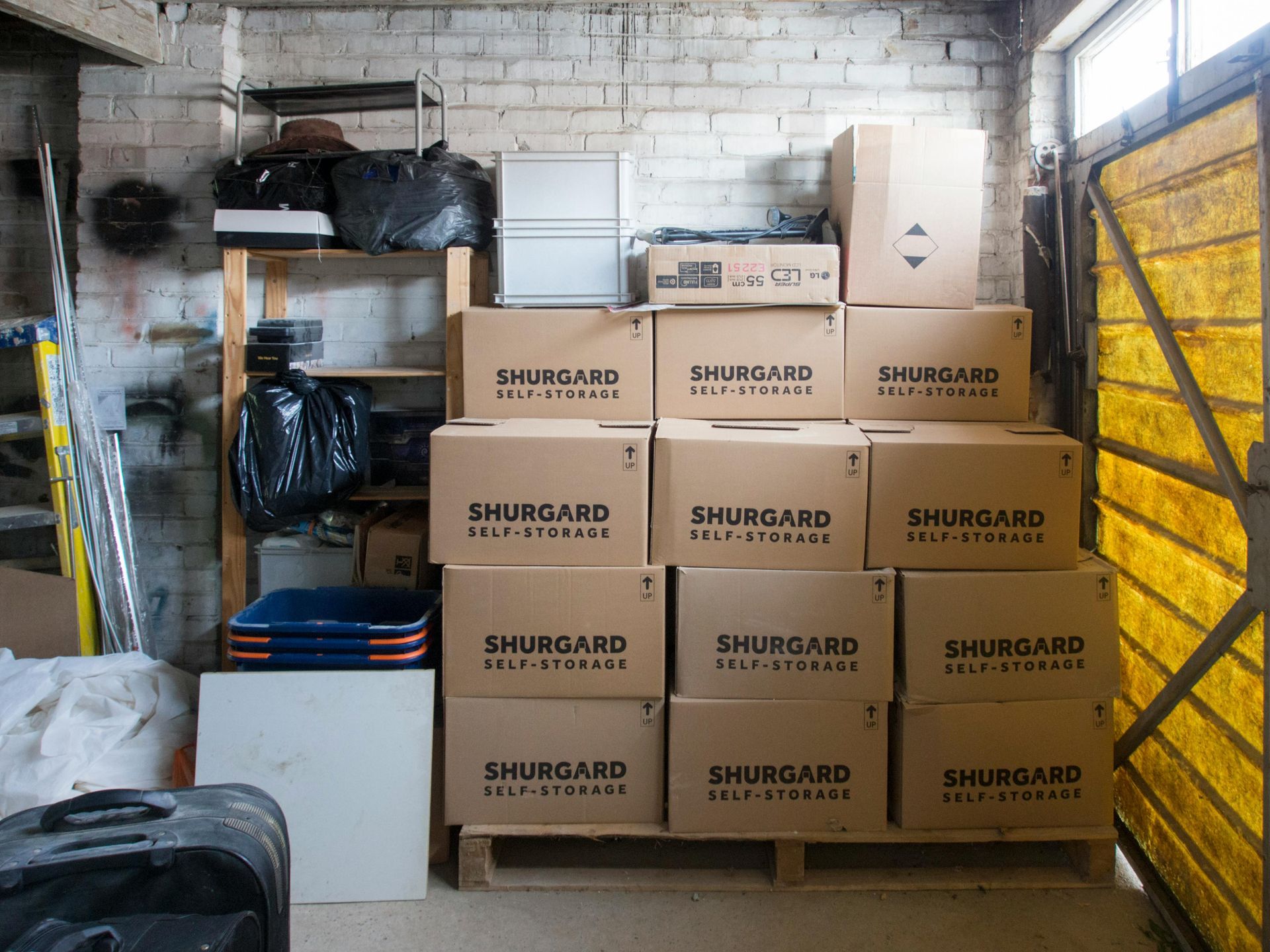
Packing a storage unit properly can make a tremendous difference in both convenience and item preservation. Unfortunately, many renters approach packing the same way they might fill a garage or basement. Boxes get stacked randomly, furniture is pushed wherever space allows, and important items become difficult to find later. Instead, think of your storage unit as a carefully organized extension of your home. Begin by placing heavier items along the perimeter and toward the back of the unit. Larger furniture pieces should be positioned first, creating a foundation for the rest of the layout. From there, boxes can be stacked methodically with labels facing outward whenever possible.
In addition, leaving a narrow aisle through the center of the unit often proves valuable months later when searching for specific belongings. The U.S. General Services Administration provides guidance on proper storage and inventory management practices that reinforce the importance of organization and documentation for long term storage success. As a result, spending extra time organizing at move-in can save significant frustration in the future.
Can Self Storage Help Small Businesses?
Although many people associate storage units with residential use, business customers represent an important portion of the storage industry. In fact, storage can provide flexibility that helps businesses grow without immediately committing to larger commercial space. For example, retailers may use storage units to hold excess inventory during busy seasons. Contractors often store tools and equipment between projects. Service businesses frequently keep supplies, displays, and marketing materials organized in storage rather than overcrowding office environments. Furthermore, entrepreneurs operating online businesses often discover that inventory quickly outgrows spare bedrooms, garages, and closets. By utilizing storage space strategically, businesses can maintain organization while preserving valuable workspace for daily operations.
Why Is Self Storage Popular Among Outdoor Enthusiasts?
Indiana and West Virginia offer abundant recreational opportunities throughout the year, making storage particularly valuable for outdoor enthusiasts. From exploring Indiana Dunes National Park to hiking trails throughout West Virginia's mountain regions, outdoor activities frequently require specialized equipment. Camping gear, kayaks, fishing equipment, bicycles, paddleboards, and other recreational items can quickly consume available household storage space. As a result, many individuals prefer storing these items in dedicated storage units rather than crowding garages or spare rooms. Having organized storage can make preparing for these trips significantly easier while helping equipment remain protected when not in use.
How Can I Better Protect My Belongings While They Are Stored?
Protecting stored items begins long before the storage unit door is closed. First, every item should be cleaned thoroughly before entering storage. Dust, dirt, and moisture that seem insignificant initially can create problems during long-term storage. Next, investing in quality packing supplies often provides worthwhile protection. Durable boxes, furniture covers, shelving systems, and protective wrapping materials can reduce wear and tear over time. Additionally, creating an inventory list can be extremely useful. Not only does it help locate specific belongings later, but it also provides documentation regarding what has been placed into storage. Simple habits such as labeling boxes clearly, storing items off the floor when appropriate, and keeping frequently accessed belongings near the entrance can improve both organization and protection.
What Questions Should I Ask Before Renting a Storage Unit?
Finally, before selecting a storage unit, it is worth taking a step back and evaluating your overall needs. Rather than focusing exclusively on price, consider how frequently you will access your belongings, what types of items will be stored, and whether your storage requirements may evolve. You may also want to evaluate factors such as unit availability, security features, accessibility, and storage size options. Thinking ahead can help prevent the need to relocate belongings later if circumstances change. Most importantly, selecting storage should feel like choosing a practical solution for your space needs rather than simply finding somewhere to place extra belongings.
Self-storage can simplify organization, create additional living space, support business growth, and help protect valuable belongings. However, choosing the right storage solution becomes much easier when you understand the basics of unit sizes, packing strategies, climate control options, and long-term storage practices. For those exploring local storage solutions throughout Indiana and West Virginia, we recommend reviewing our:
- Storage options in Angola
- Storage options on Big Tyler Road
- Storage options on Mini Storage Drive
- Storage options on Huntington 3rd Avenue
- Storage options on Huntington 8th Avenue
By understanding the answers to these common questions, individuals and businesses alike can make more informed decisions and create a storage plan that supports their needs both now and in the future.
I'll guide you to amazing places
Spend half a day exploring Cashew Ridge Park by foot. This trek is an excellent choice if you don’t have time for a full-day or overnight trip. The early morning tour starts early enough to enjoy the sounds of the forest waking up. The afternoon tour finishes at dusk, so you can enjoy the quiet calm of the nighttime forest. Bring your own food and water. As your tour guide, I’ll help you disconnect from your everyday world, so you can immerse yourself in nature and reconnect with yourself.