Think Climate Controlled Storage Is Only for Luxury Items? Here’s What Indiana and West Virginia Residents Should Know
When people begin searching for self-storage, they often focus on one thing first: space. However, after a few months of changing temperatures, heavy humidity, and unpredictable seasonal weather, many renters start asking a different question altogether. Will their belongings still be in good condition when they return for them? That concern is especially common throughout Indiana and West Virginia, where weather conditions can shift dramatically from one season to the next. Summers often bring humid air and rising temperatures, while winters introduce freezing conditions that can quietly affect furniture, electronics, paperwork, and other sensitive items over time. Because of this, climate-controlled storage has become an increasingly important option for homeowners, renters, outdoor enthusiasts, and business owners alike.
Understanding how climate-controlled storage works can make a significant difference when deciding how to protect valuable belongings for the short term or long term. At the same time, the lifestyles across Indiana and West Virginia naturally create storage needs throughout the year. Residents spend weekends visiting state parks, boating on local lakes, hiking scenic trails, and enjoying seasonal recreation that requires extra gear at home. According to the Indiana Department of Natural Resources and the West Virginia Tourism Office, outdoor recreation remains one of the region’s most popular activities year-round, which means many households regularly rotate equipment, seasonal décor, sporting goods, and travel items in and out of storage.
As a result, more people are asking practical questions about climate-controlled storage before renting a unit. Is it worth the extra cost? Which belongings actually need it? Does climate control really help during humid summers or freezing winters? The answers depend largely on what you plan to store and how long those items may remain inside the unit.
In the meantime, explore Mission Storage Rental's climate-controlled storage options. We offer convenient locations throughout Indiana and West Virginia, including:
- Angola, Indiana (T&K Storage)
- Cross Lanes, West Virginia (Big Tyler Rd)
- Cross Lanes, West Virginia (Mini Storage Dr)
- Huntington, West Virginia (3rd Ave)
- Huntington, West Virginia (8th Ave)
Key Points for Readers Short on Time
- Climate-controlled storage helps maintain more stable temperature and humidity conditions year-round.
- Indiana and West Virginia weather can gradually damage furniture, electronics, photographs, paperwork, and fabrics.
- Long-term storage benefits significantly from climate-controlled environments.
- Seasonal recreation across both states often creates the need for safer equipment and household storage.
- Proper packing techniques work together with climate-controlled storage to provide better protection.
What Is Climate-Controlled Storage?
At its core, climate-controlled storage is designed to create a more stable indoor environment for stored belongings. Unlike traditional storage units that may experience large temperature swings throughout the year, climate-controlled units help regulate conditions inside the facility. This typically includes maintaining moderate temperatures while also reducing excessive humidity.
That distinction matters more than many people initially realize. Extreme heat, freezing temperatures, and moisture buildup can slowly damage certain materials over time. In many cases, the deterioration happens gradually enough that people do not notice problems until months later.
For example, wooden furniture naturally expands and contracts as humidity levels change. Over time, this movement can weaken joints, crack finishes, or warp surfaces entirely. Electronics may develop condensation issues when temperatures fluctuate rapidly, especially during the winter months. Meanwhile, paper items such as photographs, books, and important records can absorb moisture from the air and eventually develop mildew or discoloration. Because climate-controlled units provide a more consistent environment, they help minimize those risks while offering additional peace of mind for renters storing sensitive belongings.
Why Weather in Indiana and West Virginia Matters More Than People Expect
Although every region experiences seasonal weather changes, Indiana and West Virginia present unique storage challenges because of their fluctuating temperatures and moisture levels. During Indiana summers, humidity levels often remain high for extended periods. Areas near lakes and northern regions may experience additional moisture due to local weather patterns. Then, once winter arrives, temperatures can drop quickly, creating freezing conditions that affect materials differently than heat and humidity do.
Similarly, West Virginia’s mountainous terrain introduces its own set of environmental factors. Valleys and wooded regions frequently experience damp conditions, especially during cooler seasons. Combined with temperature swings, that moisture can create ideal conditions for mildew, rust, and material deterioration inside improperly protected storage spaces. Both states experience seasonal humidity and temperature fluctuations capable of affecting enclosed environments over time. Consequently, climate-controlled storage often becomes less about luxury and more about preservation. Many renters are not storing rare antiques or museum-quality artwork. Instead, they are trying to protect everyday belongings they use regularly and would prefer not to replace.
Which Items Benefit Most from Climate-Controlled Storage?
One of the most common misconceptions surrounding climate-controlled storage is that it only makes sense for extremely valuable or collectible items. In reality, many ordinary household belongings can suffer damage when exposed to unstable environmental conditions for long periods. Furniture remains one of the biggest concerns. Wood, leather, and upholstered materials all react differently to moisture and temperature changes. Dining tables may warp, leather chairs can dry out or crack, and upholstered furniture may begin developing musty odors after prolonged humidity exposure.
Electronics also deserve careful consideration. Computers, televisions, gaming systems, speakers, and office equipment contain delicate internal components that do not respond well to condensation or freezing conditions. While these items may appear perfectly fine on the outside, internal moisture buildup can quietly create long-term performance issues. In addition, many people underestimate the importance of protecting paper-based items. Family photo albums, tax documents, collectible cards, books, artwork, and certificates often carry sentimental value that cannot simply be replaced with a quick purchase online.
Climate-controlled storage is frequently recommended for:
- Wooden furniture
- Electronics and appliances
- Musical instruments
- Artwork and framed photographs
- Vinyl records and collectibles
- Books and paper files
- Leather furniture
- Seasonal clothing
- Business inventory
- Recreational equipment
Furthermore, families storing inherited belongings or keepsakes from previous generations often appreciate the additional protection climate-controlled environments provide over time.
Is Climate-Controlled Storage Worth It for Long-Term Storage?
In many situations, the answer is yes, especially for renters planning to store items longer than a few months. Initially, a standard storage unit may seem perfectly adequate. However, long-term storage exposes belongings to repeated cycles of humidity, temperature changes, and seasonal weather shifts. Even small environmental changes can accumulate over time and eventually create noticeable damage. For instance, furniture stored through multiple Indiana winters and humid summers may gradually weaken or discolor. Clothing and fabrics can absorb moisture slowly, leading to mildew smells that become difficult to remove later. Electronics may survive short periods of temperature fluctuation but develop problems after extended exposure.
Moreover, life transitions often last longer than expected. Home renovations may take additional months. Family relocations sometimes face delays. Estate management and downsizing projects can stretch across seasons. As a result, renters frequently discover their “temporary” storage situation becomes a much longer arrangement than originally planned. Because of this uncertainty, many people prefer climate-controlled storage from the beginning rather than risking damage later.
How Climate Controlled Storage Supports Active Lifestyles
Another reason climate-controlled storage continues growing in popularity throughout Indiana and West Virginia involves the region’s recreational culture. Across both states, outdoor activities remain a major part of daily life. Families spend summers boating, fishing, hiking, and camping, while colder months bring hunting trips, winter sports, and seasonal travel. Naturally, these hobbies require equipment that occupies considerable household space.
As seasons change, many residents rotate recreational belongings throughout the year. Camping supplies, fishing gear, kayaks, sports equipment, photography gear, and seasonal clothing often need a secure place between uses. Climate-controlled storage helps protect these items while keeping homes more organized. Additionally, recreational equipment can be surprisingly sensitive to environmental conditions. Moisture may cause rust on metal gear, mildew on fabrics, or deterioration in protective materials. Temperature fluctuations can also affect adhesives, rubber components, and plastics over time. For homeowners trying to create more space without overcrowding garages, basements, or closets, climate-controlled storage often becomes part of a larger home organization strategy. Those looking for additional organization ideas can also explore these storage tips for Indiana and West Virginia homes, which offer practical ways to maximize space while protecting important belongings throughout the year.
Does Climate Controlled Storage Help During Humid Summers?
Absolutely, and this is one of the biggest reasons renters choose climate-controlled units in the Midwest and Appalachian regions. Humidity may seem harmless at first because its effects are often gradual rather than immediate. Nevertheless, excessive moisture in enclosed spaces can create several long-term problems. Fabrics may develop odors, wood can absorb moisture and swell, and paper products may begin curling or discoloring.
Even worse, high humidity levels encourage mold and mildew growth, especially when airflow is limited. Once mildew develops, it can spread quickly across fabrics, boxes, furniture, and paper items. Climate-controlled storage helps reduce these moisture-related risks by maintaining more stable indoor conditions. Although no storage environment can eliminate every environmental factor, climate-controlled facilities provide significantly better protection than units exposed directly to outdoor weather fluctuations. This becomes particularly important during Indiana and West Virginia summers, when humidity levels can remain elevated for weeks at a time.
How Should You Pack a Climate Controlled Storage Unit?
While climate-controlled storage offers better environmental protection, packing methods still play a major role in preserving belongings properly. Good organization helps maximize airflow while reducing unnecessary pressure or moisture buildup inside the unit. First, sturdy plastic bins often provide better long-term protection than weak cardboard boxes, especially for items sensitive to moisture. However, breathable materials should still be used for furniture covers rather than airtight plastic wraps that trap condensation.
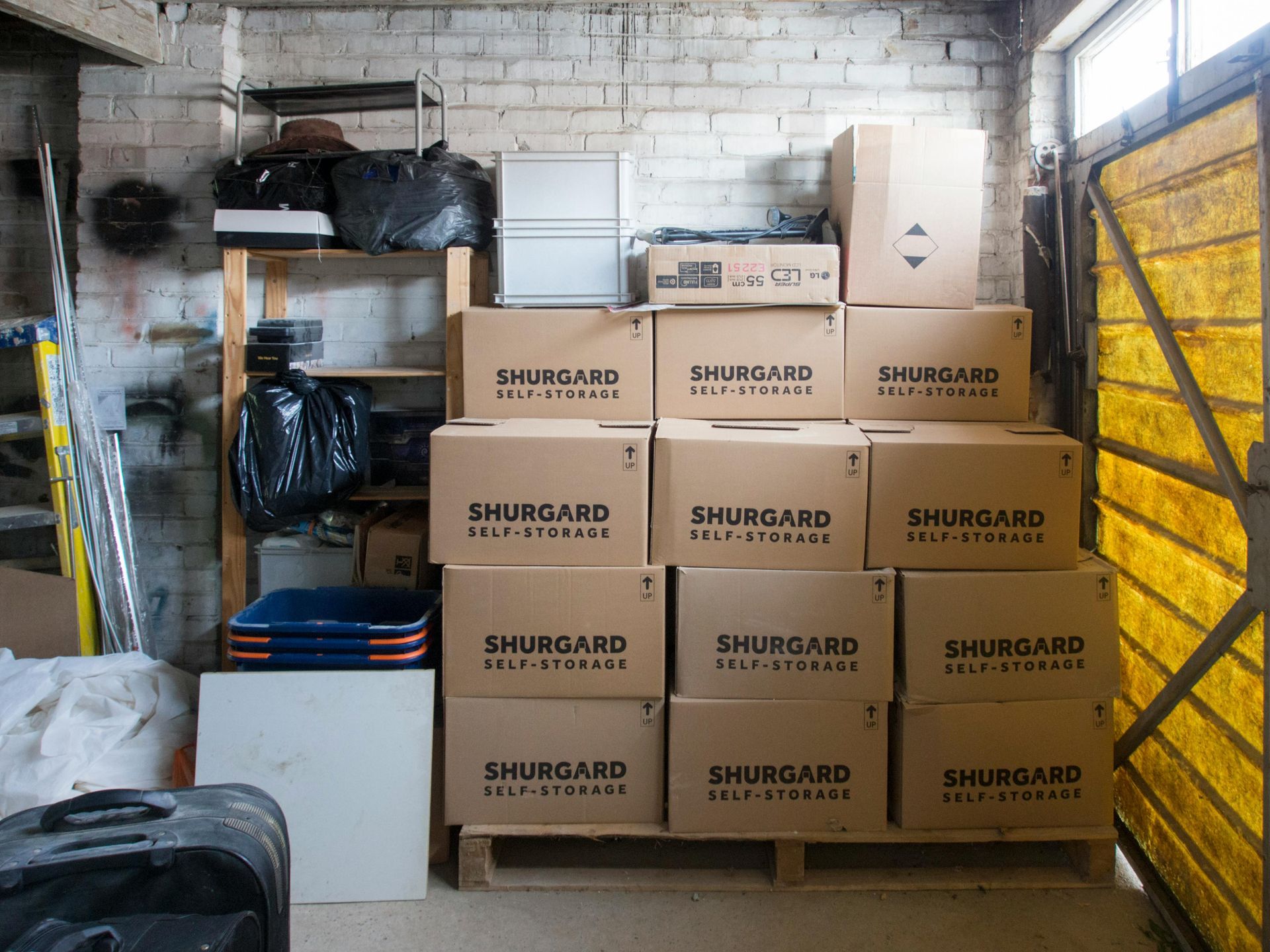
Second, creating small walkways between boxes allows air circulation throughout the unit. Overcrowding items tightly together may limit airflow and increase the likelihood of hidden moisture pockets developing over time. It is also helpful to elevate belongings slightly off the floor whenever possible. Shelving units or pallets can provide additional protection while improving organization and accessibility. Meanwhile, electronics should ideally remain in their original packaging, especially if they contain fragile internal components. Clearly labeling containers also reduces unnecessary moving and handling later, which helps protect delicate items during long term storage.
Is Climate Controlled Storage Only for Expensive Belongings?
Not at all, and this is perhaps the most important point many renters overlook. Climate-controlled storage is not simply about protecting luxury items. Instead, it helps preserve belongings people actually care about, whether those items are financially valuable or personally meaningful. Family photographs, children’s keepsakes, favorite furniture pieces, seasonal decorations, and personal documents may not carry enormous resale value, but replacing them could still be difficult or impossible. Additionally, ordinary household goods often become surprisingly expensive to replace altogether. A few damaged furniture pieces, electronics, or clothing items can easily cost more than the difference between standard and climate-controlled storage over time. For that reason, many renters view climate-controlled storage as a preventative measure rather than an unnecessary upgrade.
Ultimately, climate-controlled storage offers a practical solution for protecting belongings against the changing weather conditions common throughout Indiana and West Virginia. From humid summers to freezing winters, environmental fluctuations can slowly affect furniture, electronics, paperwork, fabrics, and recreational equipment over time. For renters storing items temporarily or planning for longer-term storage, understanding how climate-controlled environments work can help prevent avoidable damage later. Stable conditions, combined with proper packing and organization, create a safer environment for belongings that matter both financially and personally. Learning more about climate-controlled storage can help Indiana and West Virginia residents make more informed decisions about protecting their belongings throughout every season.
Mission Storage Rental offers climate-controlled storage options at convenient locations throughout Indiana and West Virginia, including:
I'll guide you to amazing places
Spend half a day exploring Cashew Ridge Park by foot. This trek is an excellent choice if you don’t have time for a full-day or overnight trip. The early morning tour starts early enough to enjoy the sounds of the forest waking up. The afternoon tour finishes at dusk, so you can enjoy the quiet calm of the nighttime forest. Bring your own food and water. As your tour guide, I’ll help you disconnect from your everyday world, so you can immerse yourself in nature and reconnect with yourself.