
What is Business Storage and When Should I Consider It?
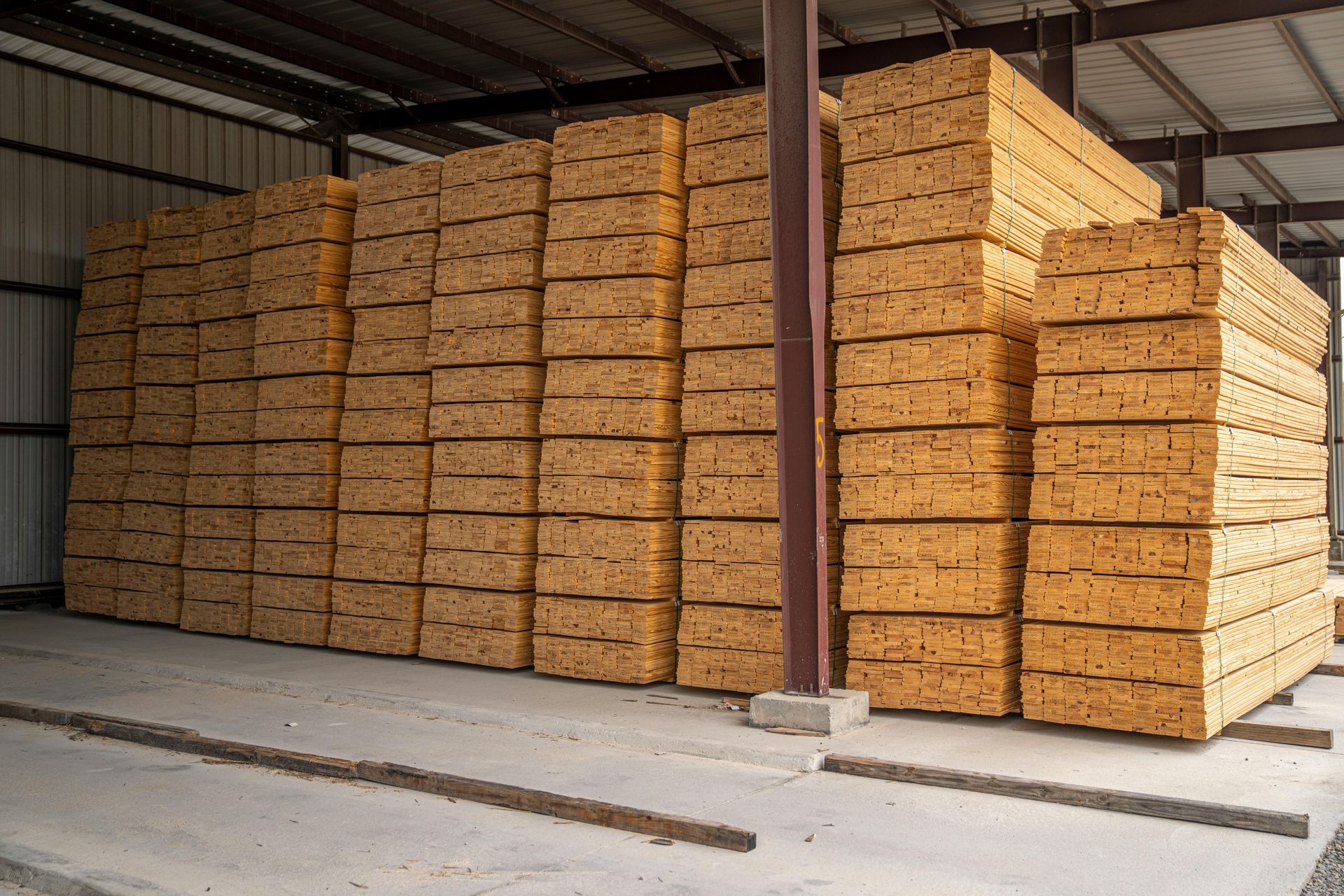
Business storage gives you space to keep inventory, equipment, tools, files, and supplies when your office, retail space, or warehouse can't hold everything. It's designed for small businesses, contractors, online sellers, and service providers who need flexible space without committing to expensive commercial real estate.
Running a business means dealing with stuff that doesn't fit. Seasonal inventory piles up before your busy months. Equipment sits idle between jobs. Archived records take up valuable office space you could use for desks or meeting rooms. Supplies arrive in bulk to save money, but there's nowhere to put them. Business storage solves these problems by giving you accessible, secure space that scales with your needs. You rent what you need, for as long as you need it, without signing a multi-year lease or paying for more square footage than you'll use.
The best setup really depends on what you are storing and how often you need to get to it. Drive up units are great when you are moving inventory, tools, or equipment in and out with a truck. Climate controlled units make more sense for things like electronics, paperwork, or products that do not handle temperature changes well. Indoor units are a good choice when you want a cleaner space with more security, especially if you need to grab materials during the workday or before meeting with clients.
When Does Business Storage Make Sense?
Are You Running Out of Office or Retail Space?
Office and retail space costs money every month, whether you're using every square foot or not. If you're cramming filing cabinets into hallways, stacking boxes in the break room, or turning a conference room into a supply closet, business storage lets you reclaim that space. Move archived files, extra furniture, seasonal decorations, or slow-moving inventory off-site. You free up room for what actually generates revenue (desks, workstations, display areas, customer seating) without paying for a bigger lease. This makes particular sense in areas like Angola, Huntington, and the Charleston metro, where commercial rent per square foot adds up fast.
Do You Need Seasonal Inventory Storage?
Retail businesses, landscapers, event companies, and seasonal service providers face the same problem: inventory and equipment you need for part of the year takes up space all year. If you stock up on holiday merchandise in October, run a landscaping business with equipment that sits idle in winter, or provide event services with chairs and tables that aren't in use year-round, business storage handles the overflow. You keep what you need on-site and store the rest until the season picks up again. This beats paying for warehouse space you only fully use three months a year.
Are You Between Locations or Expanding?
Business transitions rarely happen on a neat schedule. If you're moving to a new office but the lease doesn't start for two months, relocating your shop while renovations finish, or opening a second location before you're ready to stock it fully, business storage bridges the gap. You can move out of your old space on time, store everything securely, and move into the new location when it's actually ready. This also works if you're testing a new market or product line and need temporary space before committing to a permanent expansion.
Do You Have Records and Documents to Archive?
Most businesses have to keep records for years, even if they never look at them again. Tax documents, employee files, contracts, invoices, and client records take up filing cabinets that could hold current paperwork or make room for another desk. Business storage gives you a place to archive older records while keeping them accessible if you ever need to pull something. You stay compliant with record retention requirements without sacrificing office space or paying for off-site document storage services that charge by the box.
How Do You Choose the Right Business Storage Setup?
Drive-Up Storage for Inventory and Equipment
Drive-up storage means you can pull your truck or van directly to the unit's door. This matters when you're loading pallets, moving tools and equipment, restocking inventory, or hauling furniture and supplies. You back up, open the unit, and load or unload without dealing with elevators, hallways, or loading docks. Our Big Tyler Rd facility in Cross Lanes and Mini Storage Dr location both offer drive-up access, which is especially useful for contractors, retailers, and service businesses that need to access stored items regularly. If you're making frequent trips to swap out inventory or grab equipment between jobs, drive-up access saves time and hassle.
Climate-Controlled Storage for Sensitive Business Items
Climate control keeps the temperature steady year-round, typically between 55°F and 85°F. This prevents damage from heat, humidity, and cold. You need this for electronics (computers, monitors, point-of-sale systems), important documents and files (contracts, records, blueprints), product inventory that's sensitive to temperature (pharmaceuticals, cosmetics, certain foods), and equipment with sensitive components (medical devices, testing equipment, tech products). Indiana and West Virginia both get hot, humid summers and cold winters. If what you're storing would get damaged sitting in a garage or shed through those swings, climate control protects your investment. TK Storage in Angola and our Huntington 8th Ave location both offer climate-controlled units for business storage.
Indoor Storage for Security and Professional Access
Indoor storage units sit inside a building, accessed through interior hallways. This setup adds security (someone would need to get through the building entrance before reaching your unit) and keeps your business materials cleaner since they're not exposed to outdoor elements. Indoor units work well if you're storing client files, valuable equipment, retail display materials, or anything you want to keep especially secure and presentable. Our Huntington 3rd Ave facility offers indoor storage that's particularly useful for professional services, medical offices, and businesses that need a clean, secure environment for archived materials.
How Much Space Does Your Business Actually Need?
Business storage needs vary widely depending on what you're storing. A small 5x10 unit holds about 15-20 file boxes, a desk, and some shelving, which works for professional services archiving records. A 10x10 fits retail inventory for a small shop or equipment for a contractor. A 10x20 or larger handles warehouse overflow, event company supplies, or a full office worth of furniture during a move. If you're not sure what size you need, check our
size guide for recommendations, or call the facility nearest you. We can talk through what you're storing and help you avoid paying for space you won't use or renting something too small and needing to upgrade later.
Can I Run My Business Out of a Storage Unit?
No. Storage units are for storing business materials, not for conducting business operations. You can't use a storage unit as a workshop, office, retail space, or place to meet clients. Most facilities prohibit running a business on-site for zoning, insurance, and safety reasons. Business storage is designed for keeping inventory, equipment, files, and supplies, not for working out of. If you need workspace, you'll want to look at commercial office or retail space instead.
How Much Does Business Storage Cost?
Business storage rates depend on unit size, features, and location. Smaller units cost less than larger ones, and standard drive-up units typically run less than climate-controlled spaces. Most facilities offer month-to-month leases, so you're not locked into a long-term contract like you would be with warehouse or commercial space. You pay for the months you need and can scale up or down as your business changes. Rates vary by location (Angola pricing differs from Huntington or Cross Lanes), so it's best to contact the specific facility for current business storage rates and availability.
Can I Access My Business Storage Unit Anytime?
Access hours depend on the facility. Some locations offer extended access hours that work with business schedules, while others have set hours. Most facilities provide access during daytime and early evening hours, which covers standard business hours and gives you flexibility to restock or grab equipment before or after the workday. If you need access outside regular hours or have specific timing needs (early morning deliveries, late evening restocking), call ahead to confirm the access schedule at the location you're considering.
Do I Need Insurance for Items in Business Storage?
Yes. Most storage facilities require coverage for the items you store, and this is even more important for business storage since you're storing inventory, equipment, or materials that represent real financial value to your company. Check if your business insurance policy covers items in off-site storage. Many commercial general liability or property policies include some coverage, but you'll want to verify the limits and make sure they're adequate. If your business policy doesn't cover storage, or if the coverage limits are too low, most facilities offer tenant insurance you can add when you rent the unit.
What Can't I Store in a Business Storage Unit?
You can't store hazardous materials (chemicals, paint, flammable liquids, compressed gases), perishable items, or anything illegal. Most facilities also prohibit storing items that generate odors, attract pests, or pose safety risks. Beyond that, business storage works for most commercial items: inventory, equipment, tools, files, furniture, supplies, displays, and materials. If you're storing something unusual or you're not sure if it's allowed (industrial equipment, certain products, bulk materials), ask the facility before moving it in.
How Do I Organize a Business Storage Unit?
Treat your business storage unit like a small warehouse. Put items you need to access frequently near the front. Stack heavier, less-used items toward the back. Use shelving to maximize vertical space and keep boxes off the floor. Label everything clearly with contents and dates so you (or employees) can find what you need without digging through boxes. Create an inventory list that matches what's in the unit. If you're storing files or records, organize them by year or category and keep a master index. The more organized your unit is, the faster you can get in, grab what you need, and get back to work.
How Long Can I Rent Business Storage?
As long as you need. Most business storage rentals are month-to-month, which means you can keep the unit for a few months during a transition or for years as a permanent extension of your business space. You're not locked into a multi-year lease like you would be with commercial real estate. You pay monthly and can give notice when you're ready to move out or scale down. This flexibility is one of the biggest advantages of business storage: your space grows and shrinks with your actual needs instead of forcing you to commit to square footage you might not use.
Find Business Storage at Mission Storage Rental
Mission Storage Rental operates five locations across Indiana and West Virginia. Whether you need drive-up convenience for inventory and equipment, climate-controlled protection for sensitive business materials, or secure indoor storage for professional files, we have options that work for small businesses, contractors, and service providers. Our facilities serve Angola, the Charleston metro area, and Huntington with units sized for everything from file storage to full warehouse overflow.
Contact the location nearest you to discuss your business storage needs, check availability, and find the right size unit. We understand how businesses use storage and we're here to help you find space that actually works for what you're doing.