
When Is The Right Time for Parking Your Vehicle at a Storage Facility?
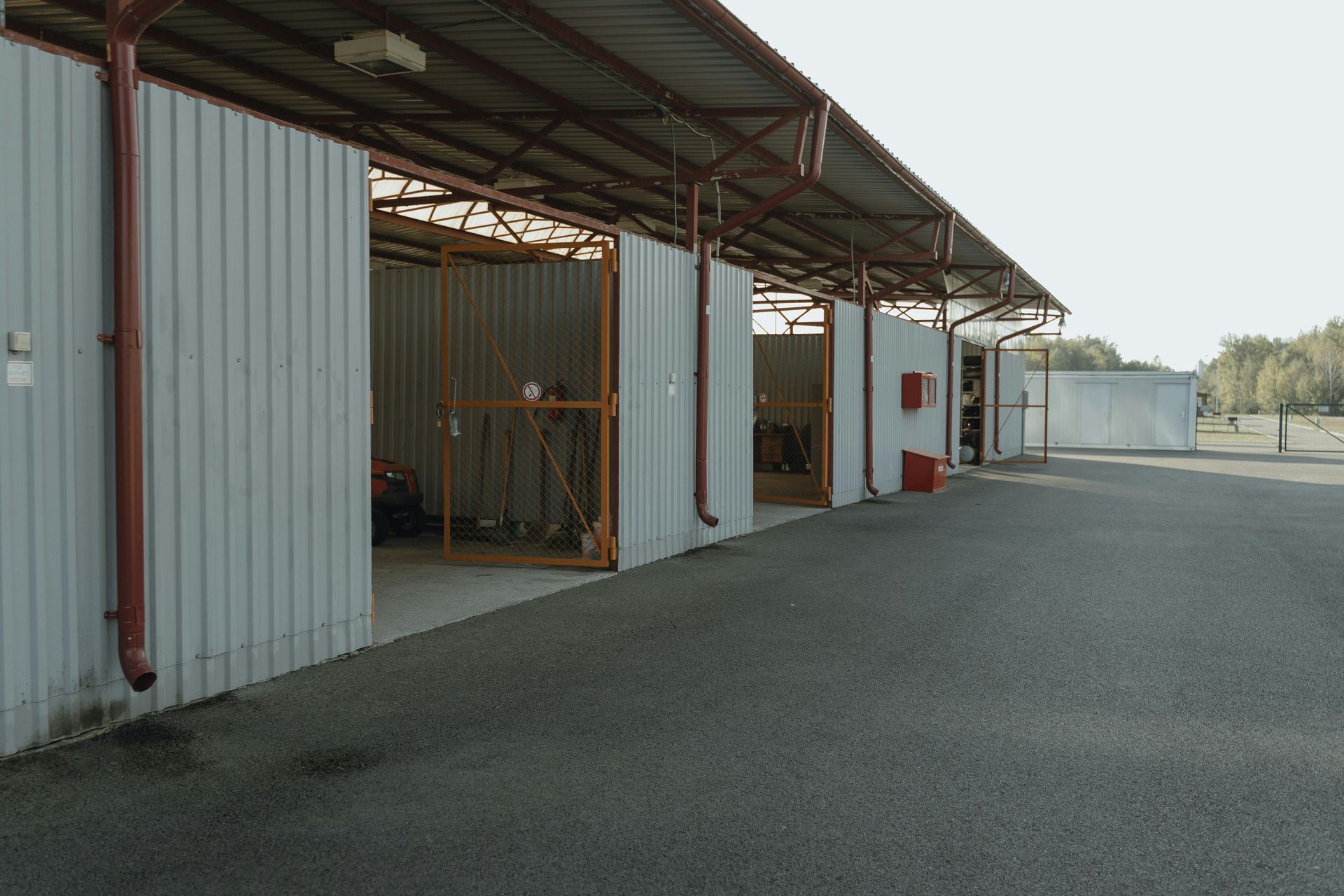
Vehicle storage gives you a secure place to park cars, trucks, motorcycles, RVs, boats, trailers, and other vehicles when you don't have room at home or need protection from the weather. It's designed for people who run out of driveway space, own seasonal vehicles, collect classics, or need somewhere safe to park during extended travel.
If you've got more vehicles than parking spots, you're dealing with a familiar problem. Maybe you own a boat that sits on a trailer eight months a year. Maybe you've got a classic car you only drive in summer. Maybe you're downsizing to a condo with one parking space but you own two cars. Maybe you're deployed, traveling for work, or spending winter somewhere warmer and need a safe place to leave your vehicle. Vehicle storage handles these situations by giving you accessible, secure parking without the hassle or expense of building a garage or renting commercial lot space.
Vehicle storage comes in different types depending on what you're storing and how much protection you need. Outdoor parking works for daily drivers and work vehicles that are already used to sitting outside. Covered or enclosed storage protects vehicles from weather, UV damage, and debris. The size of the unit you need depends on what you're storing. A motorcycle fits in a 5x10 space. A sedan needs a 10x15 or 10x20. An RV or boat might require a 10x30 or larger.
When Does Vehicle Storage Make Sense?
Are You Short on Driveway or Garage Space?
Most homes have parking for two, maybe three vehicles. If you own more than that (work truck, family cars, a motorcycle, a boat), something ends up on the street or crammed into a spot that wasn't really meant for parking. HOAs and local ordinances often restrict street parking or prohibit storing boats, RVs, and trailers in residential driveways. Vehicle storage lets you keep everything legal and accessible without cluttering your property or dealing with neighbors or citations. You park what you use daily at home and store the rest off-site.
Do You Own a Seasonal Vehicle?
Boats, RVs, motorcycles, convertibles, and ATVs tend to get used part of the year and sit idle the rest. If you boat in summer but the trailer takes up your driveway all winter, or you ride a motorcycle when it's warm but it sits in the garage taking up space when it's cold, vehicle storage gives you somewhere to park it during the off-season. You free up your garage or driveway for what you're actually using and protect the vehicle from sitting outside through months of weather it's not being used in anyway.
Are You Storing a Classic or Collector Vehicle?
Classic cars, vintage motorcycles, and collector vehicles need protection. Leaving them outside means UV damage to paint and interiors, rust from moisture, and wear from temperature swings. Even keeping them in a home garage can be risky if you're parking daily drivers next to them (door dings, oil drips, tight spaces). Enclosed vehicle storage gives classics a dedicated, protected space where they're not competing with daily use vehicles or exposed to the elements. You can store them long-term and access them when you want to drive, show, or work on them.
Do You Need Long-Term Parking During Travel or Deployment?
If you're traveling for work, deployed with the military, spending a season in a different state, or leaving town for an extended period, you need somewhere safe to leave your vehicle. Leaving a car parked on the street for months invites problems (dead battery, tickets, vandalism, theft). Vehicle storage keeps it secure while you're away. You drop it off when you leave, and it's waiting for you when you get back. This works for military families between assignments, snowbirds heading south for winter, or anyone temporarily relocating without needing their vehicle.
How Do You Choose the Right Vehicle Storage Setup?
Outdoor Parking for Daily Drivers and Work Vehicles
Outdoor parking means your vehicle sits in an open lot or designated space. This works for vehicles that are already parked outside at home (work trucks, extra cars, daily drivers you're storing short-term). It's the most affordable option since you're paying for the parking space without additional protection. Our Big Tyler Rd facility in Cross Lanes offers outdoor parking, which is useful if you need overflow parking for a vehicle that doesn't require covered or enclosed storage.
Covered or Enclosed Storage for Protection
Covered or enclosed storage protects your vehicle from weather, sun, debris, and temperature swings. This matters for classics, motorcycles, boats, RVs, or any vehicle you want to keep in good condition while it's sitting unused. Enclosed storage keeps vehicles out of the elements entirely, which prevents UV damage to paint and interiors, reduces rust and corrosion from moisture, and adds security since the vehicle is inside a locked unit. TK Storage in Angola offers vehicle storage with enclosed options, which works well for storing seasonal vehicles, classics, or anything you want protected long-term.
What Size Unit Do You Need for Vehicle Storage?
The size you need depends on what you're storing. Here's a guide:
Motorcycles, Scooters, ATVs: A 5x10 or 5x15 unit fits most motorcycles and small recreational vehicles with a little room for helmets, gear, or a cover.
Cars, Small Trucks, Sedans: A 10x15 or 10x20 unit handles most standard cars and compact trucks. A 10x20 gives you extra room to walk around the vehicle or store a few related items (spare tires, car care supplies).
SUVs, Full-Size Trucks, Vans: A 10x20 or 10x25 unit fits larger vehicles. If you're storing a truck with an extended cab or a full-size SUV, go with a 10x25 to make sure you have clearance for the door and enough length.
RVs, Boats, Trailers: RVs and boats vary widely in size. A small camping trailer might fit in a 10x25. A mid-size RV or boat with trailer typically needs a 10x30 or 12x30. Large RVs or boats may require a 12x40 or custom space. Measure your vehicle (length, width, height) before renting to make sure it fits.
Multiple Vehicles or Vehicles with Equipment: If you're storing more than one vehicle, or a vehicle plus tools, parts, and equipment, you'll need a larger unit. A 10x30 can fit two motorcycles or a car plus storage space. A 20x20 or larger works for multiple cars or a vehicle with significant gear.
If you're not sure what size you need, check our size guide or call the facility. We can help you figure out the right size based on your specific vehicle and what else you're planning to store with it.
How Much Does Vehicle Storage Cost?
Vehicle storage rates depend on the size of the unit, whether it's outdoor or enclosed, and the location. Outdoor parking typically costs less than enclosed storage. Smaller units for motorcycles cost less than large units for RVs. Most facilities offer month-to-month rentals, so you're not locked into a long-term contract. You can store a vehicle for a few months during the off-season or keep it year-round. Rates vary by location (Angola pricing differs from Cross Lanes), so contact the specific facility for current vehicle storage rates and availability.
Do I Need to Prepare My Vehicle for Storage?
Yes. Preparing your vehicle properly prevents problems while it's sitting unused. Clean the exterior and interior to remove dirt, moisture, and anything that could attract pests or cause odors. Fill the gas tank and add fuel stabilizer to prevent the fuel from degrading (important for cars, motorcycles, boats, and RVs that will sit for months). Disconnect the battery or use a trickle charger to keep it from dying. Check tire pressure and inflate tires to the recommended level (or slightly over) to prevent flat spots. For long-term storage, consider putting the vehicle on jack stands to take weight off the tires. Cover the vehicle to protect it from dust. If you're storing a boat or RV, winterize it according to the manufacturer's instructions.
Can I Access My Vehicle Anytime?
Access hours depend on the facility. Some locations offer extended access, while others have set hours. Most facilities provide access during daytime and evening hours, so you can drop off or pick up your vehicle when you need to. If you're storing a seasonal vehicle you only use a few times a year, standard access hours work fine. If you need frequent access or have specific timing needs (early morning, late evening), call ahead to confirm the facility's access schedule.
Do I Need Insurance for a Stored Vehicle?
Check with your insurance provider. Many auto insurance policies require you to maintain coverage even when a vehicle is in storage, though you may be able to reduce coverage to comprehensive-only (which covers theft, fire, and damage) while dropping liability if the vehicle isn't being driven. Some facilities require proof of insurance before allowing vehicle storage. If you're storing a boat, RV, or specialty vehicle, verify that your policy covers it while in storage and confirm coverage limits. If you don't have insurance or your policy doesn't cover storage, ask the facility about tenant insurance options.
What Can't I Store in a Vehicle Storage Unit?
You can't store vehicles with fluids leaking (oil, gas, coolant). Most facilities prohibit storing vehicles that are inoperable or have major mechanical issues that could create hazards. You also can't store hazardous materials, explosives, or anything illegal inside the vehicle. Beyond that, vehicle storage works for cars, trucks, motorcycles, ATVs, boats, RVs, trailers, campers, and similar vehicles. If you're storing something unusual (commercial vehicle, heavy equipment, oversized trailer), ask the facility before renting to make sure it's allowed and that you're getting the right size space.
Can I Work on My Vehicle in a Storage Unit?
Generally, no. Storage units are for storing vehicles, not for performing maintenance or repairs. Most facilities prohibit running engines, using tools, or working on vehicles inside units for safety, liability, and noise reasons. If you need to perform basic maintenance (checking fluids, changing a battery), some facilities may allow it, but major repairs, painting, or mechanical work aren't permitted. If you need workspace for vehicle projects, look for a shop or garage space designed for that purpose.
Find Vehicle Storage at Mission Storage Rental
Mission Storage Rental offers vehicle storage at locations in Indiana and West Virginia. We have space for all kinds of vehicles, including motorcycles, cars, trucks, trailers, boats, and RVs. If you need outdoor parking for an extra vehicle or enclosed storage for something you want to keep more protected, there are options to match what you are storing. Our Angola and Charleston area locations also offer flexible access and month to month rentals, which makes it easier to store a vehicle on your own timeline.
If you want to store a vehicle, reach out to the location closest to you. The team can walk you through available space, help you compare sizes, and recommend an option that fits your vehicle.